Industry challenges
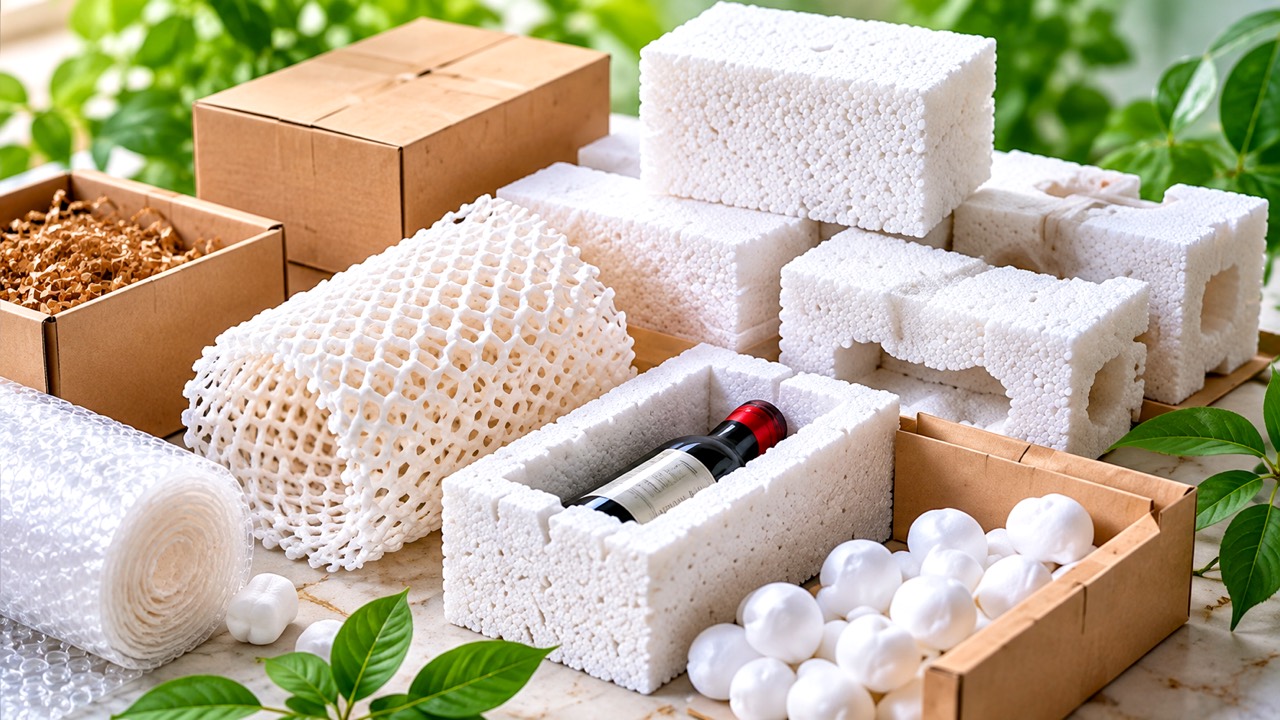
Aerogels and lightweight porous materials tend to shrink on drying, collapse, become brittle and develop uneven pore structures. For oil absorption, insulation or adsorption, surface wettability and pore size must also be controlled.
What nanocellulose does
The high aspect ratio of CNF helps form a continuous network before freezing and drying, the usual route to lightweight porous skeletons; hydrophobised CNF targets selective oil-water absorption. CNC alone builds macroscopic skeletons less well than CNF but works as composite reinforcement or a functional component.
Recommended grade
Recommended: CNF; for oil absorption, hydrophobically modified CNF first.
Why: an aerogel first needs a continuous network that supports the pore structure at low solids, where long-fibre CNF beats short rod-like CNC. For oil-water separation, surface hydrophobicity becomes the second key condition.
Alternatives
C-CNF suits water-phase gelation and ion-assisted cross-linking; CNC can tune the microstructure or function of composite aerogels; BC can also be studied as a three-dimensional porous skeleton, although its preparation route differs from CNF freeze-drying.
Trial suggestions
Compare formability at 0.5%, 1.0%, 1.5% and 2.0% solids, then fix the solids and study freezing rate, cross-linking and drying. Evaluate density, porosity, shrinkage, compressive recovery, liquid uptake, thermal conductivity or the target adsorption performance.
Common issues
- Severe shrinkage after freeze-drying: strengthen the skeleton or optimise freezing and cross-linking.
- Sample crumbles: insufficient network or solids too low.
- Absorbs water as well as oil: needs further hydrophobisation.
- Large pore variation: standardise freezing direction and rate.
Note
These suggestions are for nanocellulose material selection and preliminary trials only, not fixed formulations, final process parameters or regulatory conclusions. Results depend on product type, surface groups, solids content, dispersion state, dosing method, and on the system's pH, ionic strength, resin/polymer/protein type, pigments, fillers and other additives. Run a blank and a dosage gradient to confirm the grade and process conditions for your own system. For food, cosmetic, medical and food-contact uses, confirm regulations, purity, testing and market access separately for the target market.